Archives
- 2026-03
- 2026-02
- 2026-01
- 2025-12
- 2025-11
- 2025-10
- 2025-09
- 2025-03
- 2025-02
- 2025-01
- 2024-12
- 2024-11
- 2024-10
- 2024-09
- 2024-08
- 2024-07
- 2024-06
- 2024-05
- 2024-04
- 2024-03
- 2024-02
- 2024-01
- 2023-12
- 2023-11
- 2023-10
- 2023-09
- 2023-08
- 2023-06
- 2023-05
- 2023-04
- 2023-03
- 2023-02
- 2023-01
- 2022-12
- 2022-11
- 2022-10
- 2022-09
- 2022-08
- 2022-07
- 2022-06
- 2022-05
- 2022-04
- 2022-03
- 2022-02
- 2022-01
- 2021-12
- 2021-11
- 2021-10
- 2021-09
- 2021-08
- 2021-07
- 2021-06
- 2021-05
- 2021-04
- 2021-03
- 2021-02
- 2021-01
- 2020-12
- 2020-11
- 2020-10
- 2020-09
- 2020-08
- 2020-07
- 2020-06
- 2020-05
- 2020-04
- 2020-03
- 2020-02
- 2020-01
- 2019-12
- 2019-11
- 2019-10
- 2019-09
- 2019-08
- 2019-07
- 2019-06
- 2019-05
- 2019-04
- 2018-11
- 2018-10
- 2018-07
-
According to the diversity in molecular
2024-06-21

According to the Tozasertib in molecular skeletons, aromatase inhibitors can be categorized into two types: steroidal and non-steroidal blockers [6]. Steroidal AI (e.g., exemestane in Fig. 1) derived from the substrate androstenedione interacts with aromatase through chemical actions, resulting in a
-
br Discussion Arginase and Arginase are homologous enzymes t
2024-06-21
Discussion Arginase 1 and Arginase 2 are homologous enzymes that consume l-arginine to produce l-ornithine and urea [14], [15]. These enzymes compete with NO synthases for the same substrate [14], [15], [30], and therefore may reduce NO production [21], [24], [30]. The colocalization of arginases
-
Researchers demonstrated that mitochondria are the main prod
2024-06-21
Researchers demonstrated that mitochondria are the main producers of ROS and are the most sensitive to the effects of ROS. Mitochondria-mediated apoptosis may not be limited to the role of cytochrome c in the activation of caspase-3 and ROS may provide an alternate mitochondrial signaling pathway (H
-
br APJ expression in metabolic diseases Under
2024-06-21
APJ expression in metabolic diseases Under physiological conditions, APJ is present in humans as well as in mouse tissues with high metabolic activity such as muscle and adipose tissue but not in the liver. Moreover, the presence and regulation of APJ in established adipocyte or muscle cell lines
-
We further conducted stratified analyses to observe
2024-06-21

We further conducted stratified analyses to observe changes in enzyme levels across the periods by subgroups. Fig. 1 shows the changes in GPx levels by subgroups of age, sex, and smoking status. In all participants, GPx levels decreased when air pollution levels declined but increased after the Olym
-
For all three fluorescent dyes used the double labeled
2024-06-21
For all three fluorescent dyes used, the double-labeled UQ-bodies showed higher antigen responses. A plausible mechanism for the higher quenching observed for the double-labeled UQ-bodies is the dye-dye quenching due to H-dimer formation [19] between the two dyes introduced into the Fd and L chains.
-
br Acknowledgment br Introduction Vascular smooth muscle
2024-06-20
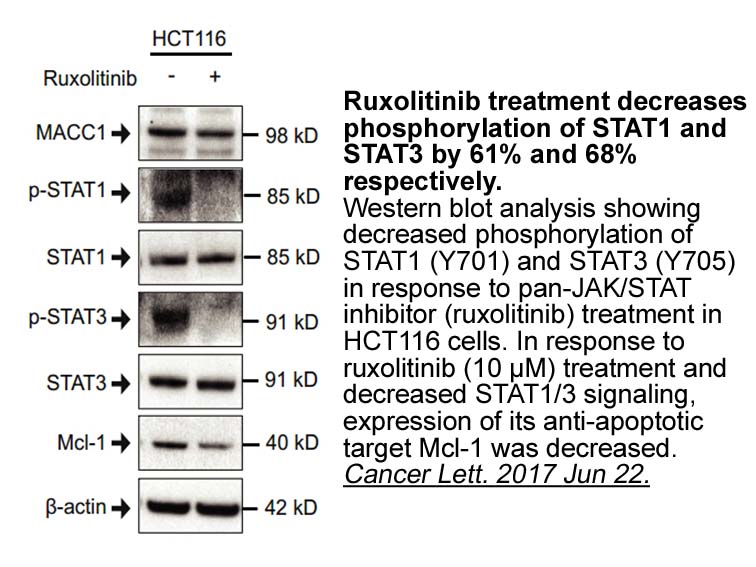
Acknowledgment Introduction Vascular smooth muscle cells (VSMC) exhibit the capacity to switch between a differentiated (contractile) and a dedifferentiated (synthetic) phenotype [1]. Synthetic VSMC express a lower amount of contractile proteins such as Smooth muscle 22α (sm22α) and α-Smooth m
-
Genetic observations from these studies
2024-06-20
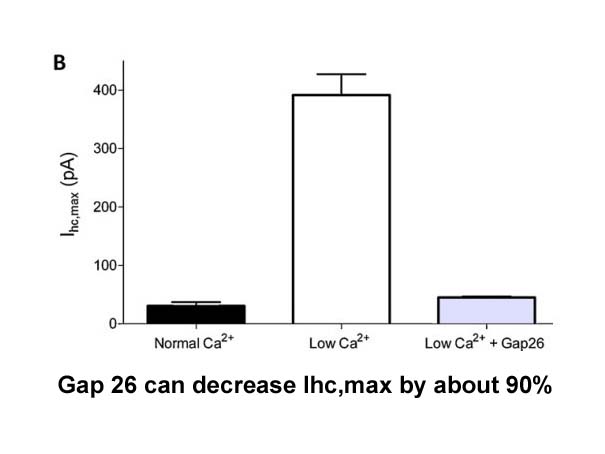
Genetic observations from these studies suggest that GMF regulates Arp2/3 complex and L-703,664 succinate dynamics in vivo13, 14. Budding yeast Gmf1 localizes to cortical actin patches, sites of endocytosis assembled by Arp2/3 13, 14. Furthermore, deletion of GMF1 exacerbates the growth defects of
-
It is important to note that stable amnesia is apparently
2024-06-20
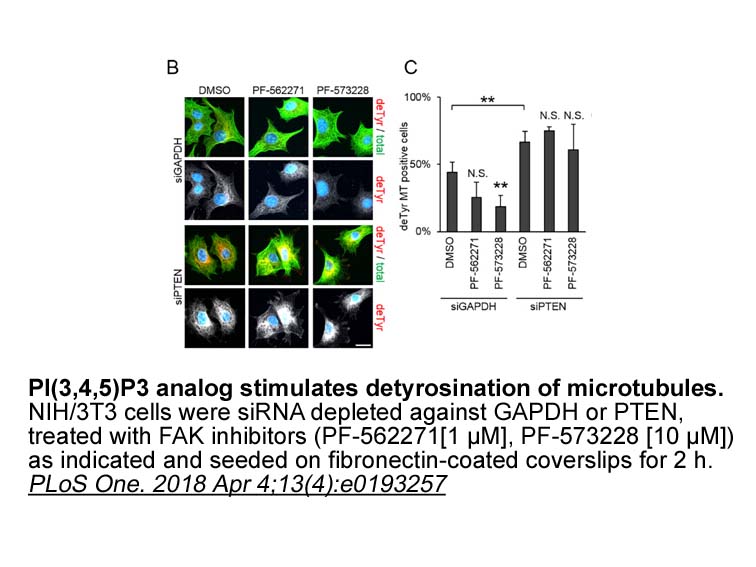
It is important to note that stable amnesia is, apparently, a general biological phenomenon and can be found in different animal species. In studies on rats, it was found that if reconsolidation of conditioned olfactory aversion memory was impaired by the antagonist of NMDA glutamate receptors, amne
-
We conducted the largest drug screen to date
2024-06-20
We conducted the largest drug screen to date in HPV-positive cancers and identified Aurora kinase inhibitors as effective and understudied drugs in HNSCC and CESC. These drugs cause apoptosis and cell cycle arrest in vitro and decrease tumor size in vivo. This is the first published study to demonst
-
Upregulation of ACLY is common
2024-06-20
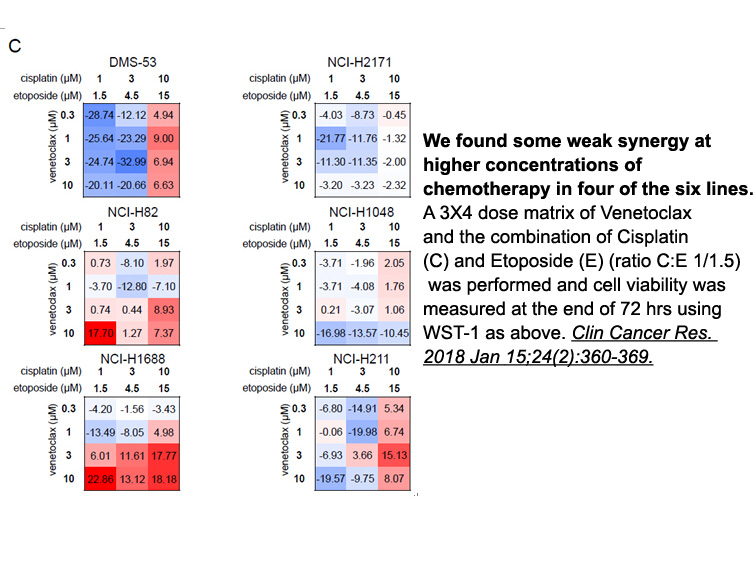
Upregulation of ACLY is common in many cancers (Kuhajda, 2000, Milgraum et al., 1997, Swinnen et al., 2004, Yahagi et al., 2005). This is in part due to the transcriptional activation by SREBP-1 resulting from the activation of the PI3K/AKT pathway in cancers (Kim et al., 2010, Nadler et al., 2001,
-
Chromatin proteins play important roles in gene expression
2024-06-20
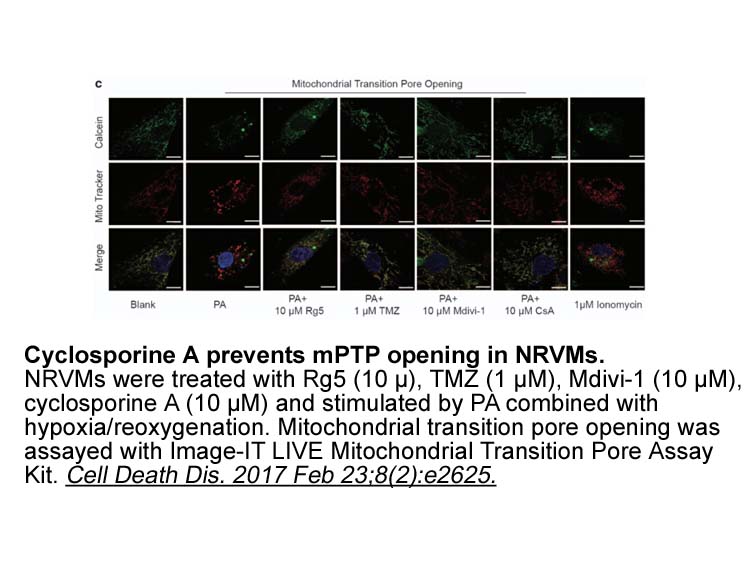
Chromatin proteins play important roles in gene expression and DNA repair. The importance of chromatin composition on gene expression is exemplified by X-inactivation, where one of the two X chromosomes in female mammalian d luciferin australia is transcriptionally silenced by heterochromatin , , ,
-
Several studies have demonstrated that
2024-06-20
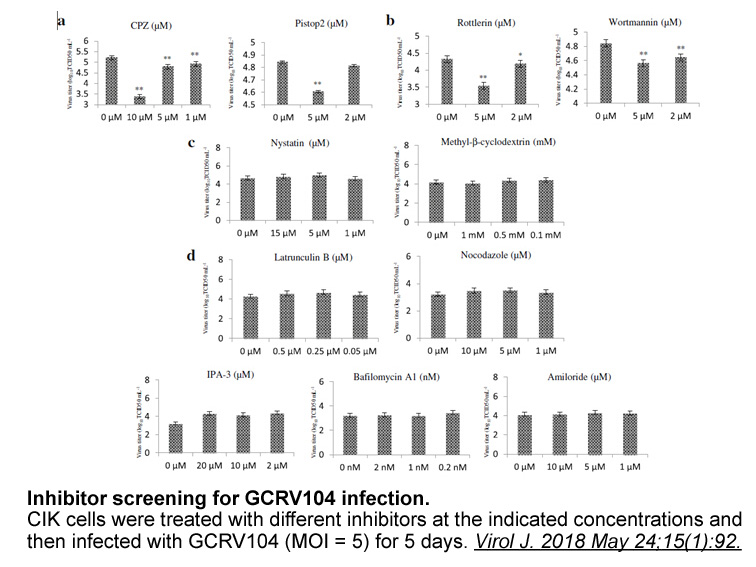
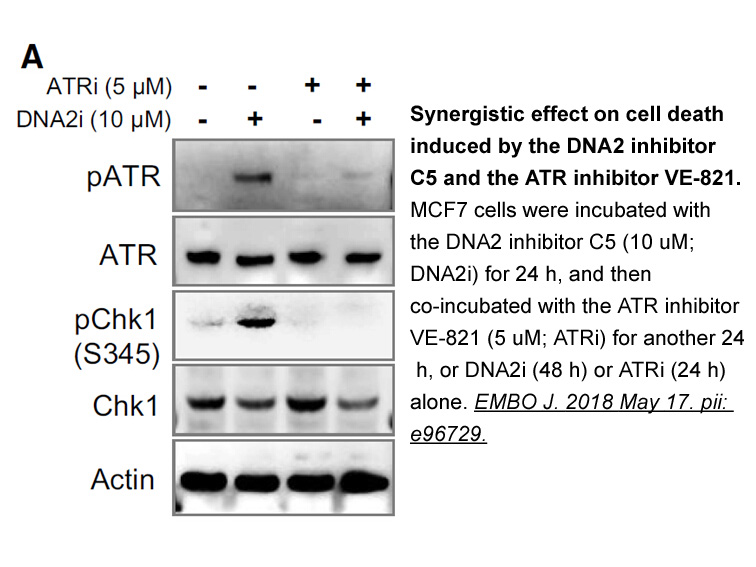
Several studies have demonstrated that depletion of functional ATR increases the sensitivity of cancer cells to oncogene-induced replication stress thereby hindering tumour growth and inducing extensive cell death (Gilad et al., 2010, Murga et al., 2011, Schoppy et al., 2012). Importantly, Schoppy e
-
br Acknowledgements We would like
2024-06-20

Acknowledgements We would like to thank Dr. Thomas Blanpied, Sai Sachin Divakaruni, Dr. Helmut Kessels, Feline Lindhout, Dieudonnée van de Willige, and all members of the MacGillavry lab for discussions and critical reading of the manuscript. This work was supported by NWO (ALW-VENI 863.13.020, A
-
br Regulatory mechanisms of ASK activity br
2024-06-20
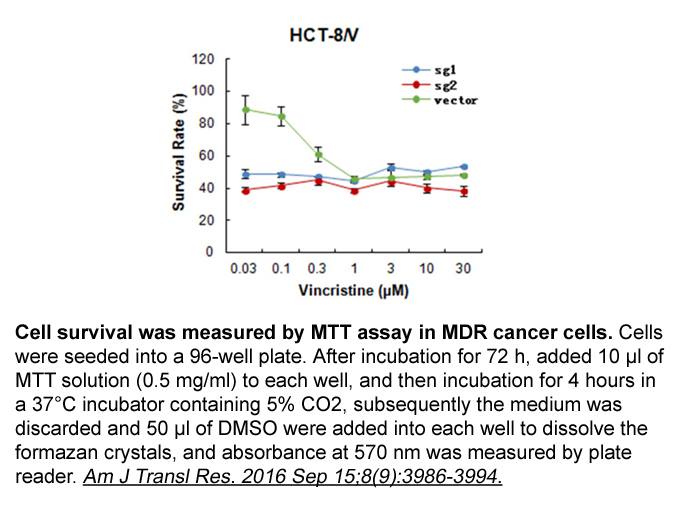
Regulatory mechanisms of ASK1 activity The functions of ASK1 in disease ASK1 inhibitor As mentioned above, ASK1 plays a pivotal role in the pathogenesis of various diseases; hence, an ASK1 inhibitor has therapeutic potential. Although inhibitors of the ASK1 downstream kinases p38 and JNK ar
16029 records 143/1069 page Previous Next First page 上5页 141142143144145 下5页 Last page