Archives
- 2026-10
- 2026-09
- 2026-08
- 2026-07
- 2026-06
- 2026-05
- 2026-04
- 2026-03
- 2026-02
- 2026-01
- 2025-12
- 2025-11
- 2025-10
- 2025-09
- 2025-03
- 2025-02
- 2025-01
- 2024-12
- 2024-11
- 2024-10
- 2024-09
- 2024-08
- 2024-07
- 2024-06
- 2024-05
- 2024-04
- 2024-03
- 2024-02
- 2024-01
- 2023-12
- 2023-11
- 2023-10
- 2023-09
- 2023-08
- 2023-06
- 2023-05
- 2023-04
- 2023-03
- 2023-02
- 2023-01
- 2022-12
- 2022-11
- 2022-10
- 2022-09
- 2022-08
- 2022-07
- 2022-06
- 2022-05
- 2022-04
- 2022-03
- 2022-02
- 2022-01
ASK has been identified as an ASK binding protein
2024-04-29
ASK2 has been identified as an ASK1 binding protein (Wang et al., 1998). ASK1 supports the stability and active configuration of ASK2 in the heteromeric complex, while ASK2 has been found to activate ASK1 by direct phosphorylation (Takeda et al., 2007). Unlike ASK1, which is ubiquitously expressed i
IL-2, human recombinant Atherosclerosis is a chronic lipid m
2024-04-28
Atherosclerosis is a chronic lipid metabolism disorder linked with lipid accumulation within the arterial wall and subsequent formation of foam cells and vascular disease [96], [97]. The level of apelin is decreased in human atherosclerotic coronary arteries [4], and coronary collateral formation in
Ferulenol sale Use of antibiotics would be expected
2024-04-28
Use of Ferulenol sale would be expected to alter the maternal microbiome, thereby changing the infant's initial exposure is to the microbial environment, which could potentially lead to an abnormal succession of microbial colonization in the infant. Alterations in early microbial transfer and succes
There are no studies documented
2024-04-28
There are no studies documented the role of RAS in the differentiation of MSCs into IPCs but there are previous studies indicating that Ang II receptors exhibit opposing actions on MSCs differentiation, into other cell types rather than IPCs. The blockade of AT2R was reported to suppress MSCs differ
br Acknowledgments br Introduction Angiotensin II AngII is a
2024-04-28
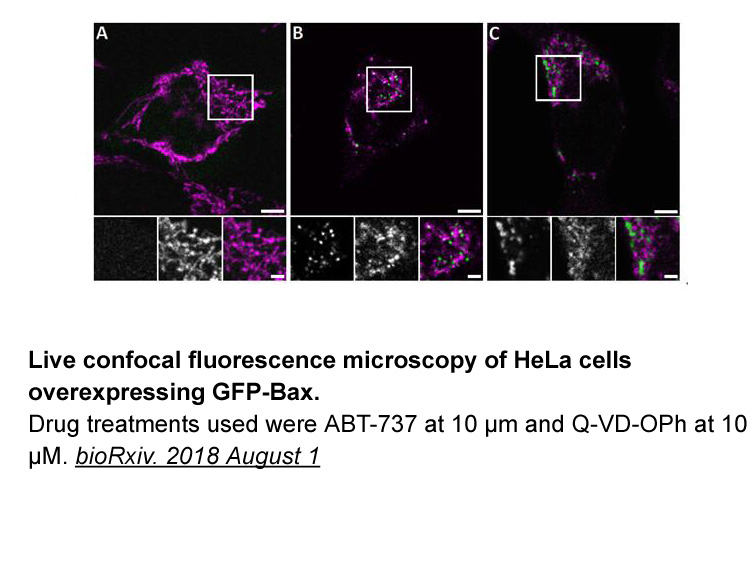
Acknowledgments Introduction Angiotensin II (AngII) is among the most potent vasoactive substances produced in humans. Its effects are numerous, from vasoconstriction to control of fluid and electrolytes balances. Many of the physiological and pathological effects of AngII are mediated by the
br Conclusions br Declarations br Introduction The classical
2024-04-28
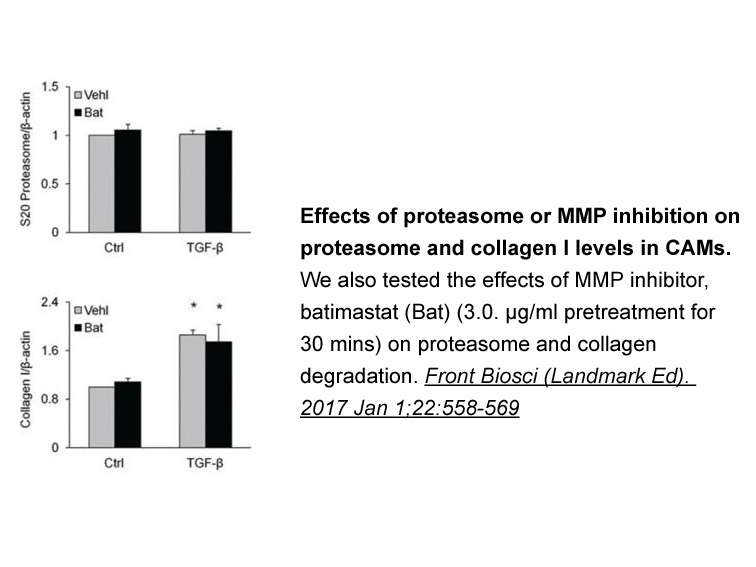
Conclusions Declarations Introduction The classical term of endocrine disruption includes any agent that interferes with the action of hormones within the human body; these agents are therefore named endocrine disruptors. Among these agents, that are mainly environmental chemicals (pollutan
Although it is not known if CP AMPAR
2024-04-28
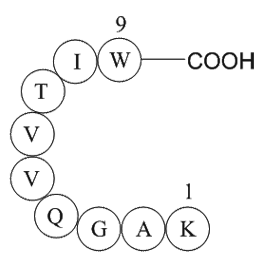
Although it is not known if CP-AMPAR regulation is required for LTD, our previous characterization of AKAP150ΔPIX knockin mice that are selectively deficient in CaN anchoring, due to disruption of a PxIxIT-type CaN docking motif, provided important insights. We found that AKAP-CaN signaling dephosph
AHR is essential for IL production by T
2024-04-28
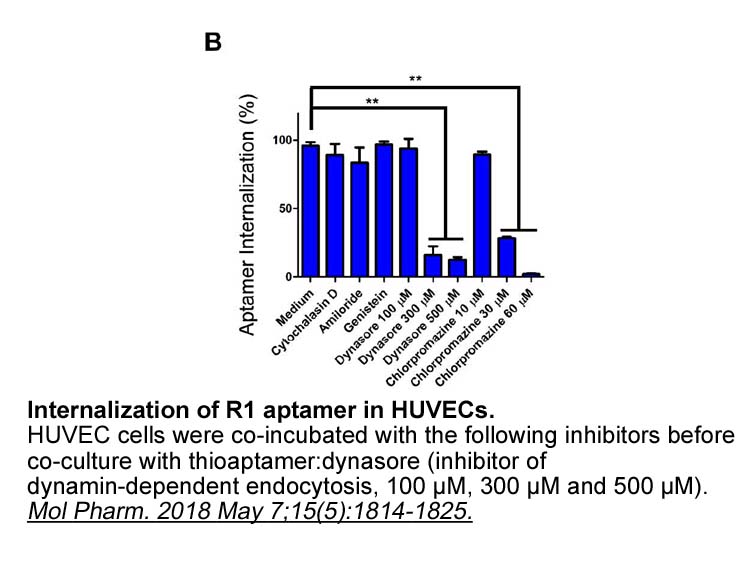
AHR is essential for IL-22 production by T galanin receptor and ILC3s [83]. Coexpression of AHR and RORγt by retroviral transduction in a thymoma cell line, EL4, synergistically upregulates IL-22 expression [48]. The cooperativity between AHR and RORγt has also been observed in primary T cells (L.Z.
br STAR Methods br Author Contributions br Acknowledgments
2024-04-28

STAR★Methods Author Contributions Acknowledgments We thank Antony M. Dean for initial discussions and encouragement concerning ancestral sequence reconstruction. We also thank Natalie K. Goto for constructive criticism concerning the manuscript, Steven M. Sine for providing Schisandrol B r
The cellular mechanism underlying the
2024-04-28
The cellular mechanism underlying the CGS12066-mediated inhibition of glutamate release from hippocampal nerve terminals through presynaptic 5-HT1B receptors remains to be elucidated. 5-HT1B receptors are coupled to PTX-sensitive G proteins (Gi or Go) that have been shown to inhibit AC activity as w
LPA binds to six specific cell surface GPCR receptors The
2024-04-28
LPA binds to six specific cell surface GPCR receptors. The receptors LPA1 (lysophosphatidic receptor 1, formerly, Edg2), LPA2 (Edg4) and LPA3 (Edg7) belong to the endothelial differentiation gene family (EDG) and share sequence homology (50–60% amino Myriocin homology) An et al., 1997, An et al., 1
The synthesis of compounds in which the
2024-04-28
The synthesis of compounds in which the ethyl linker has been modified to the carbamate and urea derivatives , and is shown in . Thus the diamine was reacted with glycolic Fer-1 to give the alcohol followed by Mitsunobu reaction with phthalimide to give . Deprotection with hydrazine gave the amine w
It is increasingly evident that many metabolic genes are
2024-04-27

It is increasingly evident that many metabolic genes are associated with cancer progression of various tumor cells, including NSCLC. In particular, GLUT1 overexpression has been reported in NSCLC, and correlations between GLUT1 expression and a number of clinical parameters such as gender, smoking s
The LO has so far only been
2024-04-27
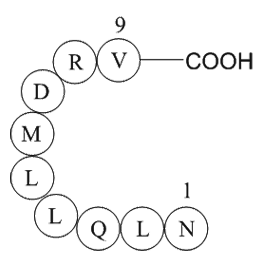
The 15-LO-1 has so far only been found in humans and rabbit reticulocytes [3], [20] and the rabbit 15-LO-1 protein demonstrate 81% identity to the human 15-LO-1. However, rabbit monocytes express an enzyme with mainly 12-LO activity [20], [21]. The high degree of sequence conservation between these
A-803467 synthesis Compound was synthesized by reacting amin
2024-04-27
Compound 31 was synthesized by reacting 5-amino-2-methoxybenzoate (28) with ethanesulfonyl chloride in the presence of pyridine in DCM to give sulfonamide 29. Hydrolysis of 29 by aqueous sodium hydroxide afforded the A-803467 synthesis 30 which was converted to the acid chloride by heating in thion
8099 records 196/540 page Previous Next First page 上5页 196197198199200 下5页 Last page