Archives
- 2026-10
- 2026-09
- 2026-08
- 2026-07
- 2026-06
- 2026-05
- 2026-04
- 2026-03
- 2026-02
- 2026-01
- 2025-12
- 2025-11
- 2025-10
- 2025-09
- 2025-03
- 2025-02
- 2025-01
- 2024-12
- 2024-11
- 2024-10
- 2024-09
- 2024-08
- 2024-07
- 2024-06
- 2024-05
- 2024-04
- 2024-03
- 2024-02
- 2024-01
- 2023-12
- 2023-11
- 2023-10
- 2023-09
- 2023-08
- 2023-06
- 2023-05
- 2023-04
- 2023-03
- 2023-02
- 2023-01
- 2022-12
- 2022-11
- 2022-10
- 2022-09
- 2022-08
- 2022-07
- 2022-06
- 2022-05
- 2022-04
- 2022-03
- 2022-02
- 2022-01
br Acknowledgments br Introduction Cancer is the leading cau
2024-02-20
Acknowledgments Introduction Cancer is the leading cause of mortality in the United States for those between the ages of 40–79 years, surpassing heart diseases by more than 100,000 deaths [1]. The cause of most cancer subtypes remains idiopathic and may arise out of ‘bad luck’ among otherwise
The Kelch like ECH associated protein Keap Nrf signaling
2024-02-20
The Kelch-like ECH-associated protein 1 (Keap1)-Nrf2 signaling pathway functions as one of the key regulator of the cellular defense system against oxidative stress [26]. Nrf2 is a redox-sensitive transcription factor, that is sequestered in the cytoplam by binding to Keap1; however, under oxidative
Although CP has been an important research subject in
2024-02-20
Although CP has been an important research subject in the field of antigen processing and presentation, the mechanisms of presentation of intracellular CTX0294885 by MHC II received considerably less attention. Interestingly, pioneering work by the Münz laboratory has pointed to an involvement of a
The mitogen activated protein kinase
2024-02-20
The mitogen-activated protein kinase (MAPK) plays an important role in a variety of cell processes by controlling transcriptional or translational regulation [14]. There are three major MAPK family members that have been well characterized: extracellular signal-regulated kinase (ERK), c-Jun N-termin
br Acknowledgments br Introduction Angiotensin II AngII is a
2024-02-19
Acknowledgments Introduction Angiotensin II (AngII) is among the most potent vasoactive substances produced in humans. Its effects are numerous, from vasoconstriction to control of fluid and electrolytes balances. Many of the physiological and pathological effects of AngII are mediated by the
The zinc transporter proteins are members of the
2024-02-19
The zinc transporter proteins are members of the SLC superfamily of metal transporters, and comprise two structurally and functionally different groups, the zinc-importer (ZIP; Zrt-, Irt-like proteins) family (SLC39A), which regulate zinc transport into the cytoplasm from outside the cell and from i
Regarding brain tumors AXL has been implicated in
2024-02-19
Regarding 3 methyladenine tumors, AXL has been implicated in gliomagenesis and chemoresistance [39]. Previous investigations found that AXL is constitutively phosphorylated in many glioma cell lines, murine xenograft tumors and primary patient tumor samples [40]. Immunohistochemical analysis of AXL
Aurora A and B are required
2024-02-19
Aurora A and B are required for the control of mitosis whereas Aurora C is mainly invoved in meiosis (Goldenson and Crispino, 2015). Interestingly, Aurora B is partnered with inner centromere protein (INCENP), survivin and Borealin to form a chromosomal passenger complex (CPC) that is critical for t
Several genes related to metabolism post transcriptional
2024-02-19
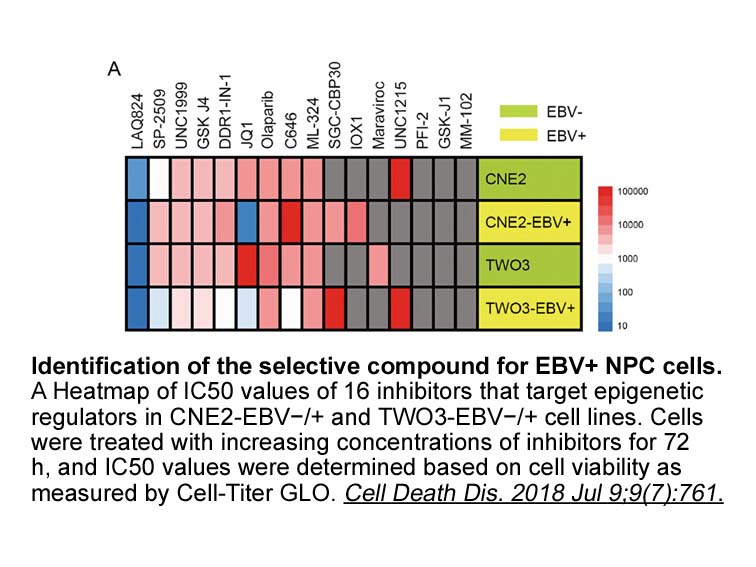
Several genes related to metabolism, post-transcriptional regulation, chromatin structure, and signaling pathways are required for the sexual development and virulence of G. zeae (Baldwin et al., 2010, Bluhm et al., 2007, Ding et al., 2009, Han et al., 2007, Hou et al., 2002, Jenczmionka et al., 200
br Materials and methods br Results
2024-02-19
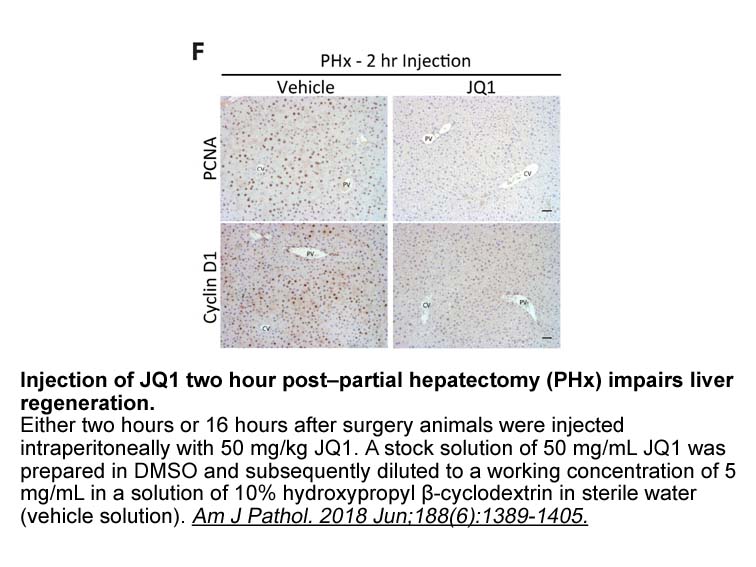
Materials and methods Results Discussion Many studies investigate the role of 12/15-LOX in cancer cell,23, 24, 25 however we here first found that host 12/15-LOX also plays an important role in metastasis progression. We have demonstrated that 12(S)-HETE increased melanoma cell adhesion to
The importance of the ATM Tel to ATR
2024-02-19
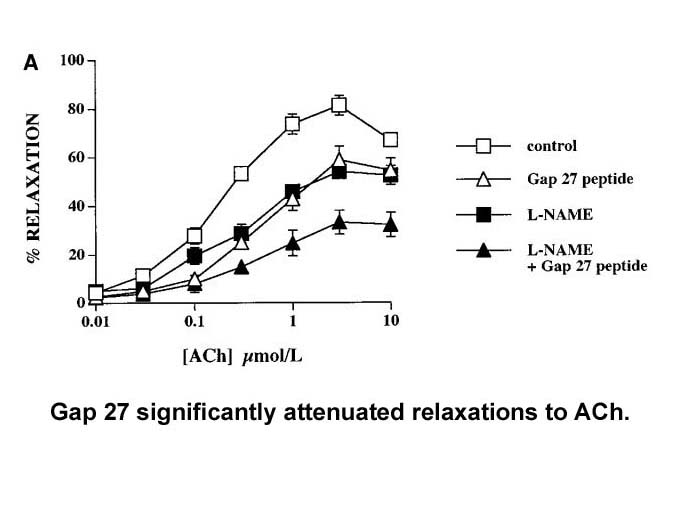
The importance of the ATM/Tel1 to ATR/Mec1 switch in the response to DSBs remains to be determined. Noteworthy, resection-defective S. cerevisiae cells, such as sae2Δ, exo1Δ, fun30Δ or sgs1Δ mutants, fail to turn off the checkpoint in response to an unrepaired DSB [56], [127], [128]. Moreover, the s
br Conclusion This is the first
2024-02-19

Conclusion This is the first report to show that treatment of lung cancer cell lines, A549 and H1299, with ovatodiolid stimulates intracellular reactive oxygen species generation and induces DNA damage. Subsequently activates ATM/ATR and CHK1/2 signaling pathway, inhibits CDC25C and p21WAF1/CIP1,
The reasons why antibiotic treatment
2024-02-19
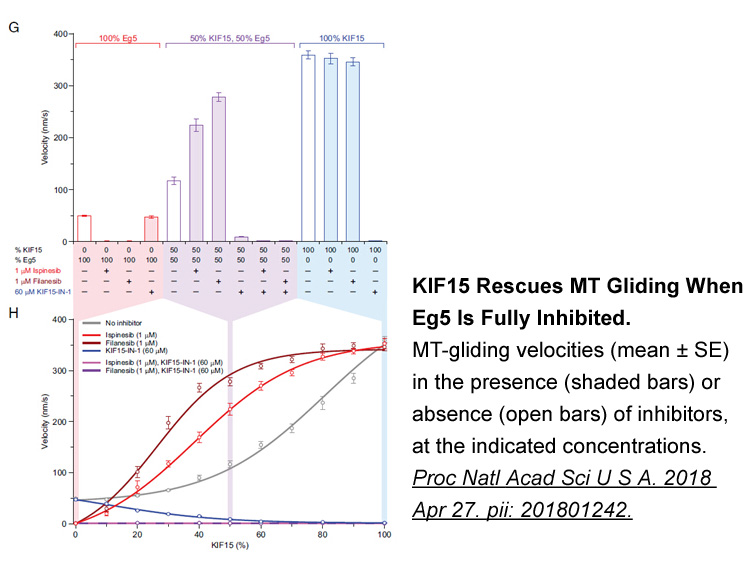
The reasons why antibiotic treatment may be detrimental are diverse. First, it may result in disruption of multifaceted microbe–microbe, as well as microbe–host, interactions that are key for the maintenance of homeostasis within this ecosystem. This can lead to the expansion of pathogenic microorga
In conclusion we identify in this
2024-02-18
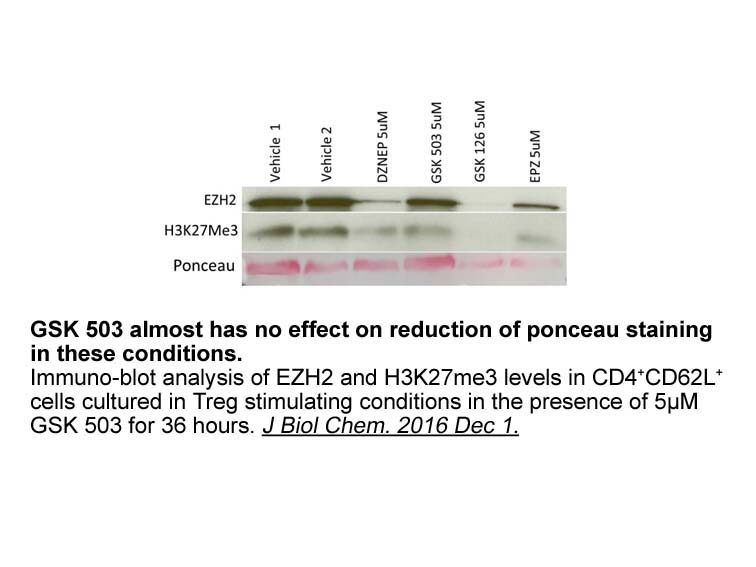
In conclusion, we identify in this report the molecular nature of the 12- and 15-lipoxygenases in M. mulatta and P. pygmaeus and also that the expression of the rhesus enzyme in lung epithelial cells is regulated by interleukin-4. The switch from a mainly 12-LO enzyme to a mainly 15-LO enzyme during
Inflammatory factors released by activated cells
2024-02-18
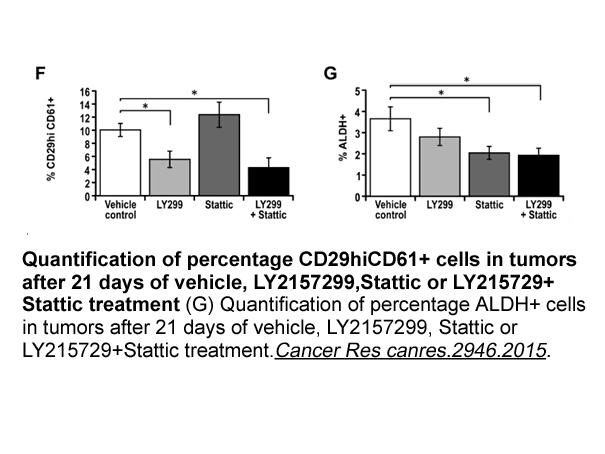
Inflammatory factors released by activated cells during AD are very important for the disease progression. Not only several inflammatory cytokines, such as IL-1β, IL-18, and IL-33, but also anti-inflammatory ones, as IL-10 and IL-13, are upregulated in the brain of AD patients (Morimoto et al., 2011
8099 records 229/540 page Previous Next First page 上5页 226227228229230 下5页 Last page